
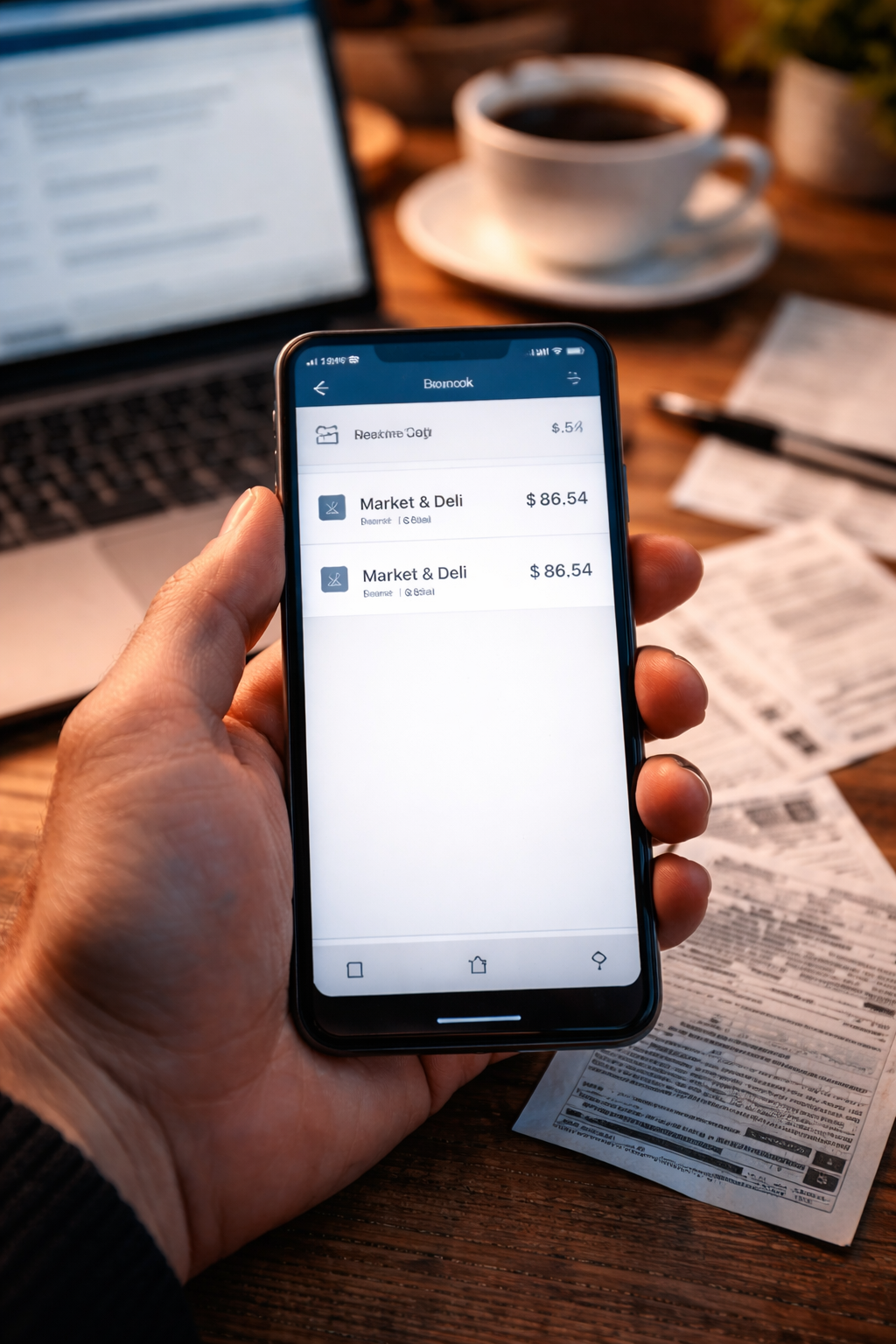
credit card charged twice. I didn’t even realize it at first because nothing looked suspicious on the surface. The merchant name was familiar. The amount wasn’t unusually high. It was only after scrolling back up that I noticed the same number repeating itself. Same store. Same total. Two separate transactions.
My first instinct was to wait. I told myself it was probably temporary, maybe a glitch that would correct itself overnight. That instinct is exactly how duplicate charges turn into real losses. Once both transactions post, the system treats them as intentional unless you intervene.
Why Duplicate Charges Slip Through So Easily
A credit card charged twice situation usually starts with a small technical hiccup. A payment terminal freezes. An online checkout page refreshes. A cashier retries a transaction that looked like it failed. None of these feel dramatic in the moment.
The problem is that payment systems are designed to err on the side of completion. If a transaction request reaches the processor twice, it can settle twice. The system records success, not intention.
The First Decision That Changes Everything
Before contacting anyone, you need to answer one critical question: are both charges pending, or has one (or both) already posted?
- Pending charges are temporary authorizations
- Posted charges are finalized and affect your balance
If a credit card charged twice issue shows two pending charges, there is a reasonable chance one will fall off within 24–72 hours. If both are posted, waiting only reduces your leverage.
Never assume a posted duplicate will disappear on its own.
How Card Issuers Interpret Duplicate Transactions
From your point of view, the mistake is obvious. From the issuer’s point of view, there are two valid transaction records with matching data. When you report a credit card charged twice issue, the issuer’s system looks for one thing: duplication.
This is why the wording matters. Saying “I see two identical transactions for the same purchase” is processed differently than saying “this looks wrong.” Clear classification speeds everything up.
Case Split: Identify Your Exact Duplicate Scenario
Use the list below to match your situation before taking action. Picking the right category prevents delays and rework.
- Same merchant, same amount, same day
- Same merchant, same amount, different days
- Pending charge plus posted charge
- Online checkout error or frozen screen
- Tap, swipe, or chip retry in-store
Once you identify your case, stick to that explanation.
Case 1: Same Merchant, Same Amount, Same Day
This is the most common credit card charged twice scenario. It usually happens when a payment terminal retries a transaction or the cashier initiates a second attempt.
- Check whether one transaction is still pending
- Save a screenshot showing both charges
- Locate your receipt if available
If both charges are posted, dispute one as a duplicate transaction. You are not accusing the merchant of wrongdoing — only pointing out duplication.
Case 2: Same Merchant, Same Amount, Different Days
This version feels less obvious and often causes hesitation. A credit card charged twice issue like this can occur when a merchant believes a transaction failed and reprocesses it later.
Ask yourself one question: did you receive the product or service twice? If the answer is no, one charge is excess.
Date differences alone do not make both charges valid.
Case 3: Pending Charge Plus Posted Charge
This scenario requires short-term monitoring. If one charge is pending and the other is posted, wait briefly while watching closely.
- If the pending charge drops, no further action is needed
- If the pending charge posts, treat it as a duplicate immediately
A credit card charged twice situation becomes official the moment both transactions post.
Case 4: Online Checkout Error or Refresh
Many duplicate charges originate online. You click “Pay,” the page freezes, and you retry. Behind the scenes, both payment requests can succeed.
- Check how many order confirmations you received
- Review the merchant account for duplicate orders
- Dispute only the extra transaction
Disputing the wrong charge can slow the entire process.
What Evidence Makes Resolution Faster
To resolve a credit card charged twice issue efficiently, focus on clarity, not volume.
- One screenshot showing both transactions
- Receipt or order confirmation
- Purchase date and amount comparison
Too much information can slow review. The right information speeds it up.
When to Contact the Merchant vs the Card Issuer
If the duplicate is obvious and both charges are posted, starting with the issuer is usually faster. Merchants may still help, but issuers can apply provisional credit while the review is underway.
Waiting for a merchant response should not delay a formal dispute.
Internal Context: How This Fits Into Broader Billing Issues
Duplicate charges are one type of billing problem. If your situation becomes more complex, this guide explains how issuers handle broader billing disputes.
This helps if the issue expands beyond duplication.
One Official Reference for U.S. Consumers
For timelines and dispute rights, this is the single official source most issuers rely on.
This is general information, not legal advice.
What Not to Do When You See Duplicate Charges
- Do not assume posted duplicates will self-correct
- Do not dispute both charges without checking which is valid
- Do not wait past your statement cycle
- Do not ignore minimum payment requirements
Inaction is treated as acceptance.
Key Takeaways
- Duplicate charges are system issues, not personal mistakes.
- Pending and posted charges behave differently.
- Clear categorization speeds resolution.
- Document first, then act.
FAQ
How long should I wait before disputing?
If both charges are posted, act immediately. If one is pending, monitor for up to 72 hours.
Will a dispute hurt my credit score?
No. A properly filed duplicate charge dispute does not affect your credit.
Can I dispute only part of a charge?
Yes, especially if only one of the transactions is excess.
When you notice your credit card charged twice, hesitation is the real risk. Duplicate transactions are resolved not because they are obvious, but because they are documented and challenged.
Open your statement now, confirm which charges are posted, and take action today. That single step keeps a temporary glitch from becoming a lasting problem.